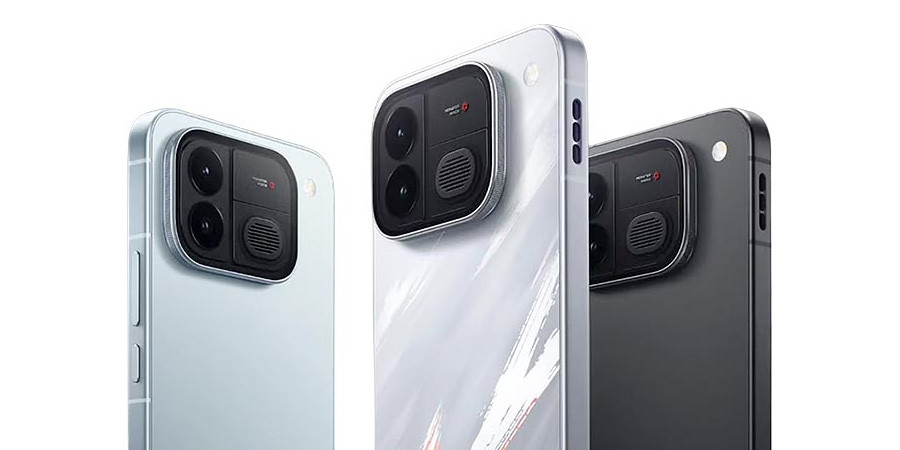
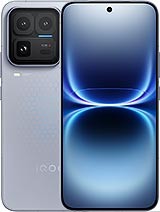
 vivo iQOO 15 Ultra
 Google Pixel 9 Pro XL
 Xiaomi Mix Flip
 Huawei Pura 70 Ultra
 Xiaomi 14 Ultra
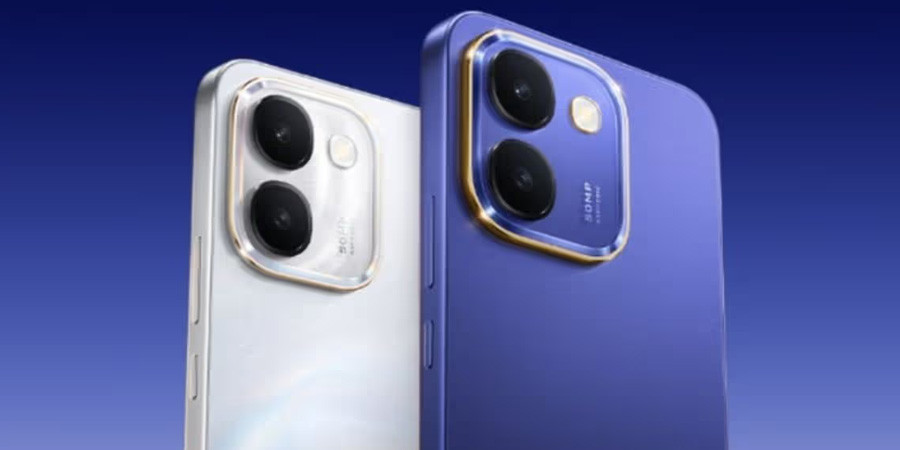
 vivo T2 Pro
 Xiaomi 13T Pro
 Xiaomi 13T





SpaceX Picks Qualcomm for Starlink Mobile’s US 5G Network, With Rollout Planned for 2027
SpaceX has selected Qualcomm’s Dragonwing platforms to power the ground-based portion of its Starlink Mobile 5G network in the United States. Deployment is scheduled to begin in 2027, with tens of thousands of sites planned over the course of the multiyear agreement.
The deal gives SpaceX a key piece of the network it needs to compete with AT&T, T-Mobile and Verizon: terrestrial base stations that can work alongside its satellites. SpaceX plans to deploy the network across multiple frequency bands in stages. The 2027 date marks the planned start of construction, rather than a promise of nationwide service that year.
How Qualcomm will power the Starlink Mobile 5G network
SpaceX will use two Qualcomm platforms in its base stations: the Dragonwing QRU100 and QDU100, along with Qualcomm’s commercial Layer 1 software. The platforms handle different parts of the work required to carry a phone’s signal through the network.
What 64T64R means for coverage and capacity
The QRU100 handles processing for the radio units. Each unit has 64 transmit paths and 64 receive paths, a configuration called 64T64R Massive MIMO. The design aims to improve coverage and serve more traffic using the available radio spectrum.
The QDU100 handles time-sensitive Layer 1 tasks, the physical signal processing at the base station. Qualcomm says the combination is designed to deliver more processing performance for each watt of power consumed.
Why SpaceX is building terrestrial coverage
Michael Nicolls, Starlink’s senior vice president, pointed to dropped calls at home and on the move as a problem the company wants to address. He described SpaceX’s goal as a nationwide network that integrates satellites and terrestrial sites, and said Qualcomm’s technology would help Starlink develop its own base stations more quickly.
Indoor coverage is one reason the ground network matters. In October, SpaceX acquired spectrum in the 800MHz band for that purpose. T-Mobile’s CEO, meanwhile, ruled out letting SpaceX run its carrier service on T-Mobile’s network.
What the agreement covers, and what remains speculative
The Qualcomm agreement covers 5G equipment. Both companies see it as a step toward future 6G infrastructure designed around AI, but the network planned for deployment in 2027 is a 5G network.
Separately, a report has suggested SpaceX could buy Boost Mobile from EchoStar to accelerate its entry into the US carrier market. That remains an unconfirmed possibility and is not part of the Qualcomm agreement.
For US customers, the announcement establishes how SpaceX plans to build the network. It does not give subscription prices, identify the first launch markets or say when customers can sign up. Follow SmartZone.lk’s mobile news coverage for further rollout details.