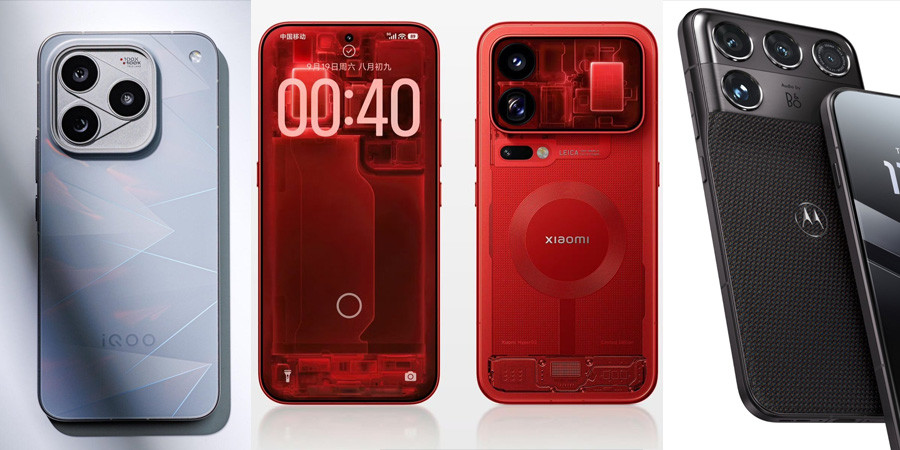
 vivo iQOO 15 Ultra
 Google Pixel 9 Pro XL
 Xiaomi Mix Flip
 Huawei Pura 70 Ultra
 Xiaomi 14 Ultra
 vivo T2 Pro
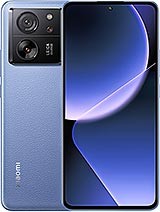 Xiaomi 13T Pro
 Xiaomi 13T

Xiaomi Unveils $7 Billion Investment in In-House Chip Development with Xring O1 Processor
Chinese tech giant Xiaomi has officially committed to investing $7 billion over the next decade to build and scale its own mobile chipsets, marking a major shift in its technology strategy. The initiative, branded as Project Xring, aims to reduce Xiaomi’s dependency on third-party chipmakers like Qualcomm and MediaTek, while enabling deeper integration between hardware and software.
Xiaomi Unveils $7 Billion Investment in In-House Chip Development with Xring O1 Processor
Xiaomi Accelerates Chip Innovation with $7 Billion Investment
Chinese tech giant Xiaomi has officially committed to investing $7 billion over the next decade to build and scale its own mobile chipsets, marking a major shift in its technology strategy. The initiative, branded as Project Xring, aims to reduce Xiaomi’s dependency on third-party chipmakers like Qualcomm and MediaTek, while enabling deeper integration between hardware and software.
This bold move places Xiaomi alongside global leaders such as Apple, Samsung, and Google, all of whom already produce their own chips to power flagship devices.
Introducing the Xring O1: Xiaomi’s First In-House Mobile Processor
Xiaomi’s efforts have already started to bear fruit. The company recently unveiled the Xring O1, its first custom-designed chipset, built using cutting-edge 3nm fabrication technology by TSMC. The chip features a 10-core CPU architecture, with two ultra-fast Cortex-X925 cores, a 16-core Immortalis-G925 GPU, and a powerful 6-core AI engine capable of 44 trillion operations per second (TOPS).
Early benchmark tests reveal that the Xring O1 rivals Qualcomm’s Snapdragon 8 Elite and even challenges Apple’s A18 chip in certain performance metrics. This breakthrough positions Xiaomi to become a serious contender in the premium chipset arena.
Xiaomi 15S Pro: The First Smartphone Powered by Xring O1
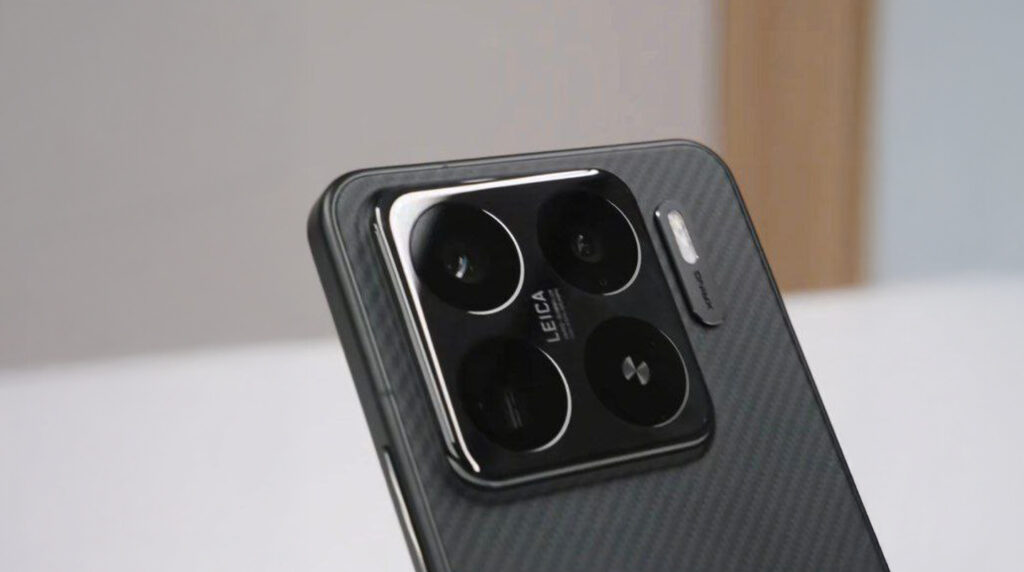
The Xiaomi 15S Pro is the first smartphone to be powered by the Xring O1 processor. The flagship device features:
- 6.73-inch 2K AMOLED display
- Up to 16GB RAM and 1TB storage
- Triple 50MP rear cameras + 32MP selfie camera
- 6,100mAh battery with 90W wired and 50W wireless charging
- HyperOS 2 optimized for the Xring chip
With seamless performance, energy efficiency, and powerful AI features, the 15S Pro is positioned to be one of the most advanced Android phones of the year.
Strategic Vision Behind Xiaomi’s Chip Development
Xiaomi’s transition to in-house chip design isn’t just about performance — it’s a strategic move to gain more control over supply chains, ensure faster innovation cycles, and better protect against geopolitical and market volatility.
The company initially invested $1.9 billion in 2021, followed by an additional $2.8 billion in 2024, bringing the total investment to nearly $9.8 billion over ten years.
By developing its own semiconductors, Xiaomi can now:
- Customize chips to fit unique hardware and software needs
- Compete more effectively with global tech giants
- Strengthen its ecosystem of smartphones, tablets, and IoT devices
- Reduce reliance on U.S.-based or foreign semiconductor companies
What This Means for the Smartphone Industry
Xiaomi’s chip development plan signals a major shift in the mobile technology landscape. If the Xring series proves successful, it could reshape the Android market by offering an alternative to Qualcomm’s and MediaTek’s dominance.
Moreover, Xiaomi’s success could inspire other Chinese OEMs to pursue similar semiconductor independence, accelerating China’s broader push for technological self-reliance.
With the launch of the Xring O1 processor and a massive $7 billion investment, Xiaomi is not just making chips — it’s building the foundation for the next generation of smart devices. If successful, Xiaomi could become a major force not only in smartphones but also in chip innovation and AI computing.